
It is challenging for me to think or refer to this fruit as
soursop, because I am used to calling it "guanabana", which is a Spanish word for it.
I have discovered and cultivated this tree in Puerto Rico. The tree is called guyabano, obviously derived from the Spanish guanabana, and is eaten ripe. It is also used for juices, smoothies, or ice cream.
Unusual kidney-shaped prickly fruits weigh up to 6 pounds. A sweet and sour juice is extracted from the fruit white pulp, which makes a fabulous cool drink. And this drink literally melts in your mouth!

This fruit is also an incredible remedy, that treats cancer, liver ailments, and its root bark can be used as an antidote for poisoning. There are plenty of
other benefits this fruit has.
The "Soursop Tree" grows on almost every Caribbean island and throughout Central and South America. In addition to the pleasant tasting fruit, the leaves can be "steeped" in hot water to make a pleasant tasting tea. Be careful with the strength of the tea, i.e. the number of leaves used and the time allowed to remain in hot water.


 When I was in Puerto Rico I used to work outside a lot, either cutting grass or working in my green house. And one thing I remember very clearly is the aroma of a ripe Guava fruit that I would smell. I have to admit I have a very acute capability of smelling things even from a long distance. So, this smell would lead me to the ripe Guava.
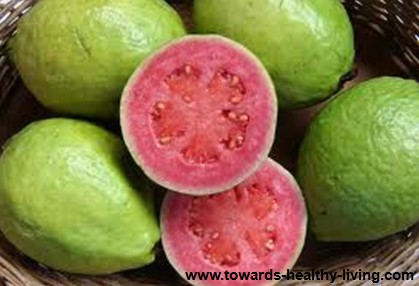 There is nothing better after a long day under the sun than to pick a ripe guava from a tree, wash and eat it with its skin. It is absolutely delicious and filling, and can easily satisfy your hunger.
 It is challenging for me to think or refer to this fruit as soursop, because I am used to calling it "guanabana", which is a Spanish word for it.
 This fruit is also an incredible remedy, that treats cancer, liver ailments, and its root bark can be used as an antidote for poisoning. There are plenty of other benefits this fruit has.
